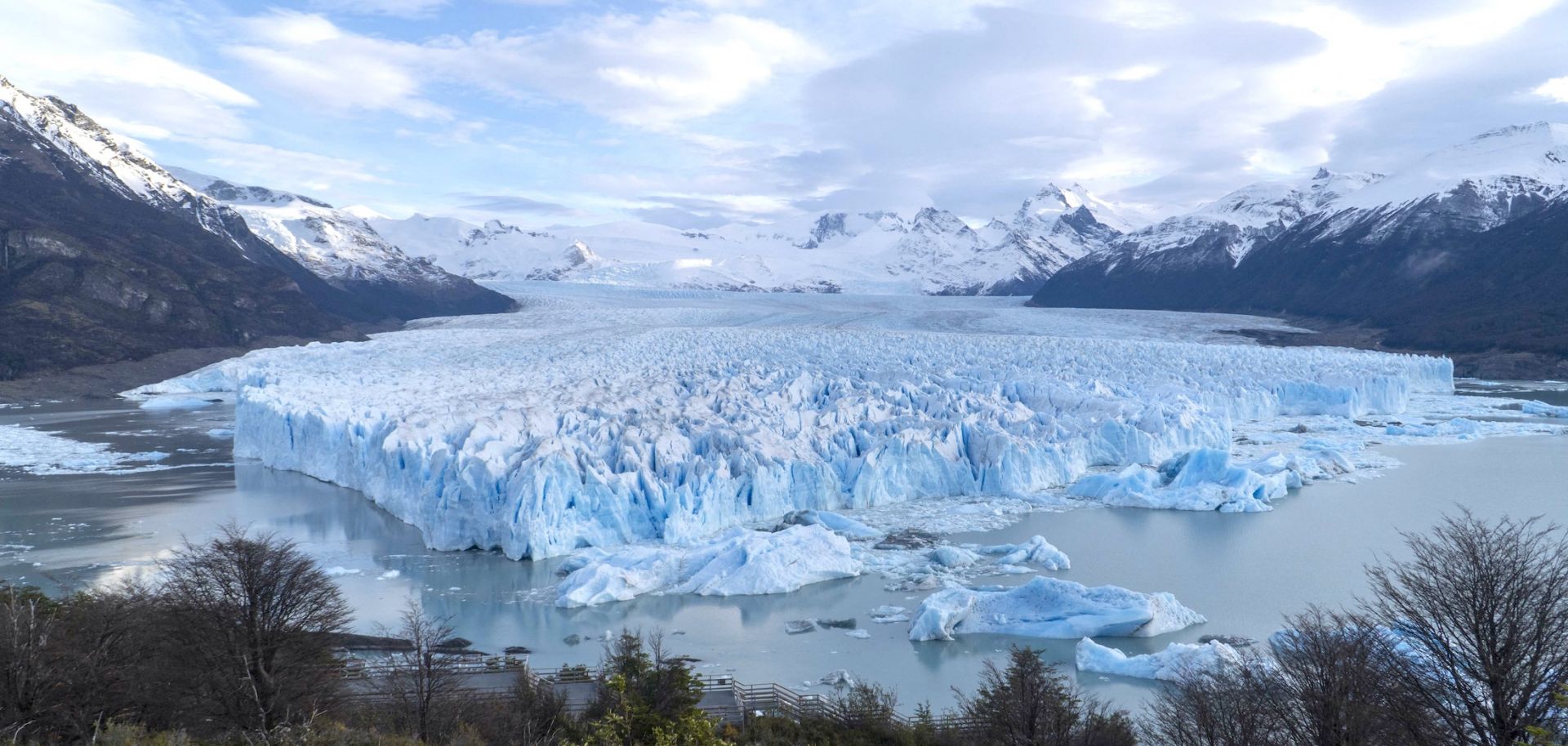
Argentina's new Glaciers Law fundamentally shifts environmental oversight to provinces and loosens protections to unlock major mining investment and export growth, but at the cost of increased water, environmental and regulatory risks. On April 9, Argentina's Chamber of Deputies approved a reform to the country's Glaciers Law with 137 votes in favor, 111 against and three abstentions. The Argentine Senate had already approved the reform on Feb. 26, which means that the legislative process is now complete and the law will enter into force in the coming weeks. The reform represents a fundamental shift away from the original framework established under the 2010 Glaciers Law, which created uniform national minimum standards to protect glaciers and periglacial environments as strategic freshwater reserves. Under the original regime, mining, oil and industrial activities were broadly prohibited in these areas, and protection was based on a national glacier inventory and scientific criteria applied consistently...