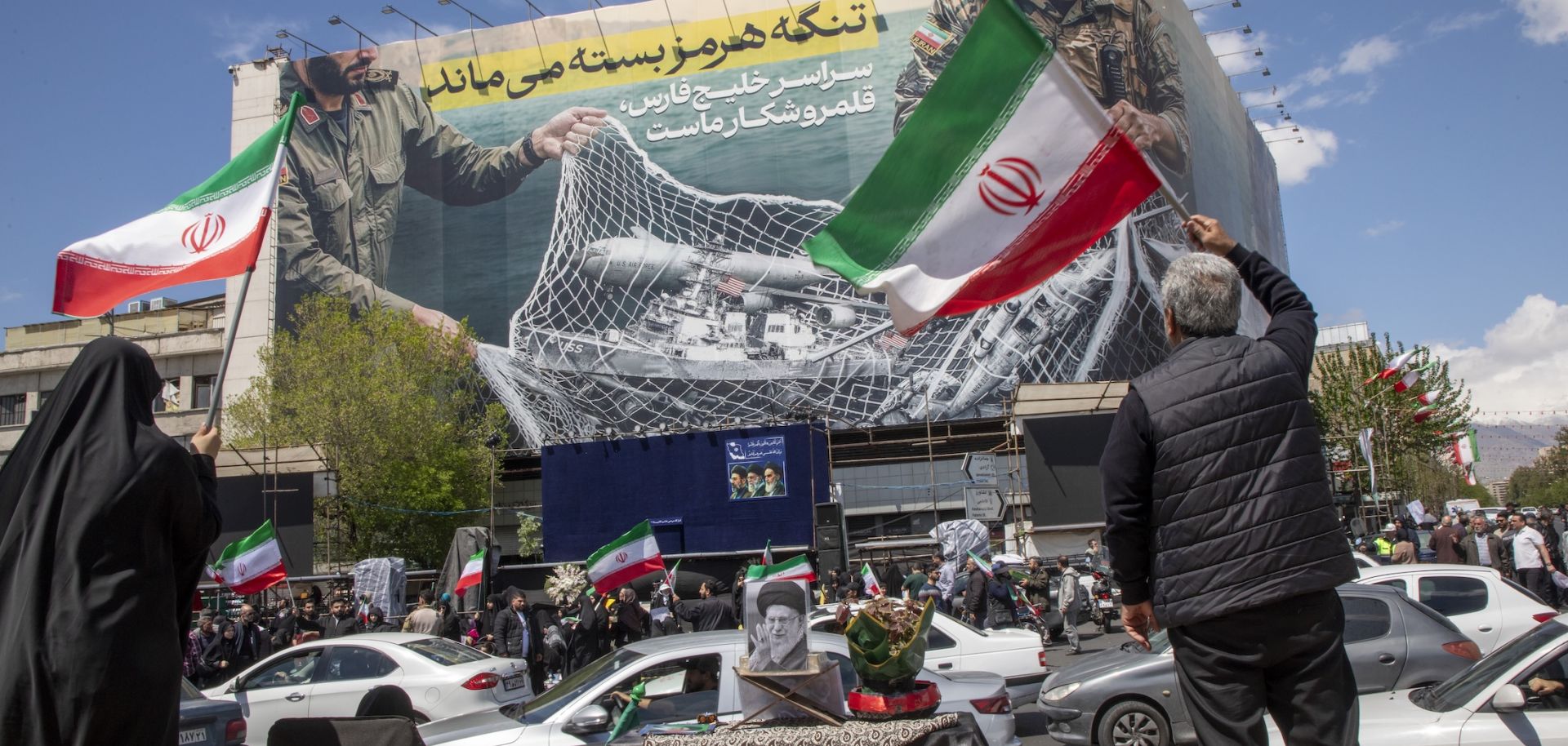
The two-week ceasefire in the Iran war leaves major stumbling blocks for Iran and the United States to achieve a durable agreement. Upcoming negotiations failing would likely result in a rapid escalation of hostilities, including systematic strikes on critical infrastructure across the region. On April 7, U.S. President Donald Trump announced a two-week ceasefire with Iran, contingent on the full and immediate reopening of the Strait of Hormuz, following a proposal brokered by Pakistan. The ceasefire came just hours before a deadline for large-scale U.S. strikes against Iranian power plants and additional civilian infrastructure, which Trump said would also be delayed by two weeks. Iranian Foreign Minister Abbas Araghchi confirmed Tehran's acceptance, stating Iran would ensure safe passage through the strait during the ceasefire. The two-week window is intended to facilitate negotiations toward a broader settlement. U.S.-Iran talks are expected to take place in Islamabad beginning on April 10. Israel...