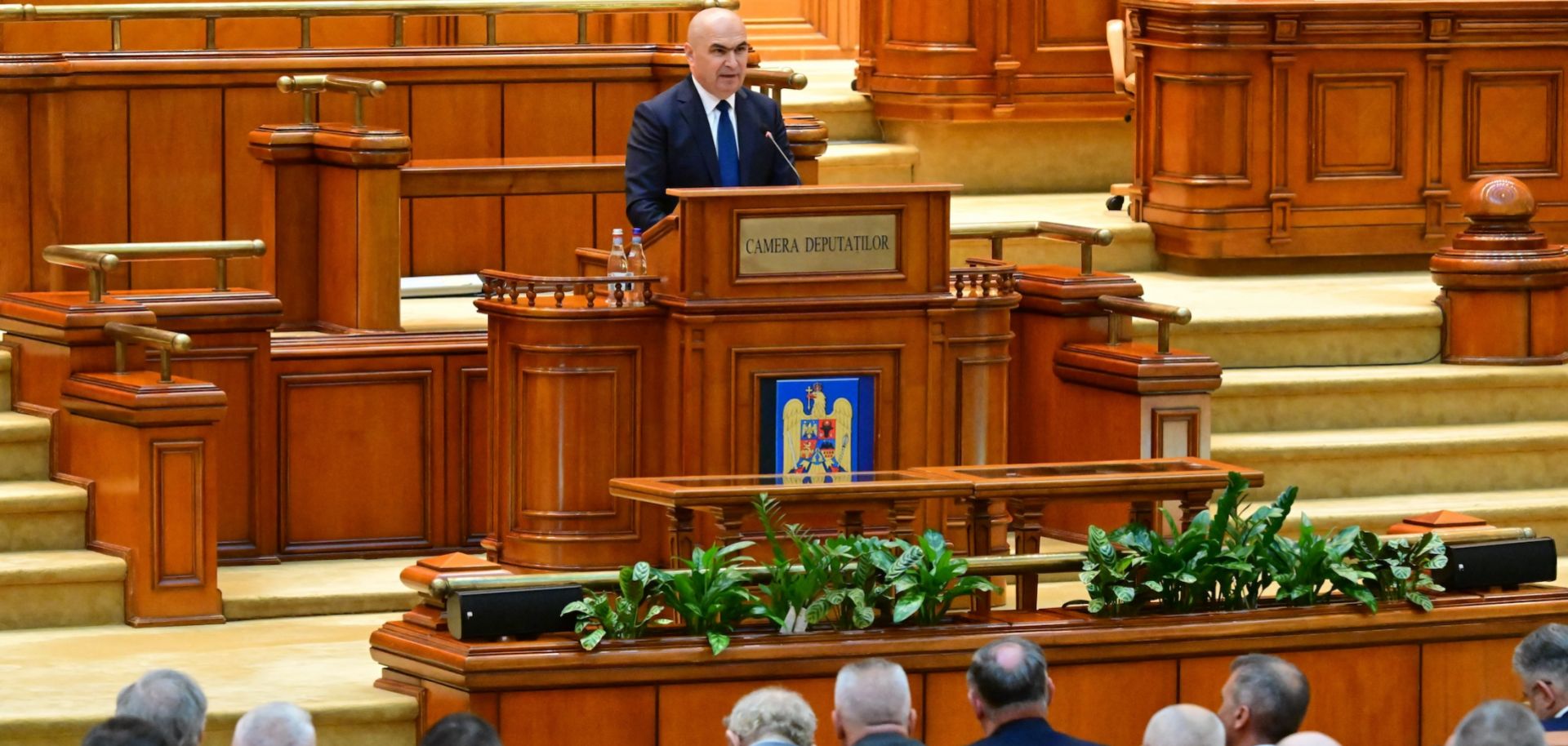
Romania's latest government crisis will likely weaken fiscal consolidation, prolong political instability and create favorable conditions for a surge in far-right and eurosceptic forces, potentially reversing Bucharest's EU alignment and harming its economic credibility. On April 21, Romanian Prime Minister Ilie Bolojan of the center-right National Liberal Party (PNL) announced that he would remain in office despite the formal withdrawal of support by the center-left Social Democratic Party (PSD), which had been the largest partner in the governing coalition. Bolojan denounced the PSD's decision as "completely wrong and irresponsible," warning that it risked triggering institutional paralysis at a time of heightened fiscal and political fragility. The PSD's move followed an internal party vote and included a commitment to withdraw its ministers from government, effectively depriving the coalition of its parliamentary majority and, in practice, transforming the executive into a minority administration. On April 21, Romanian President Nicusor Dan summoned the...