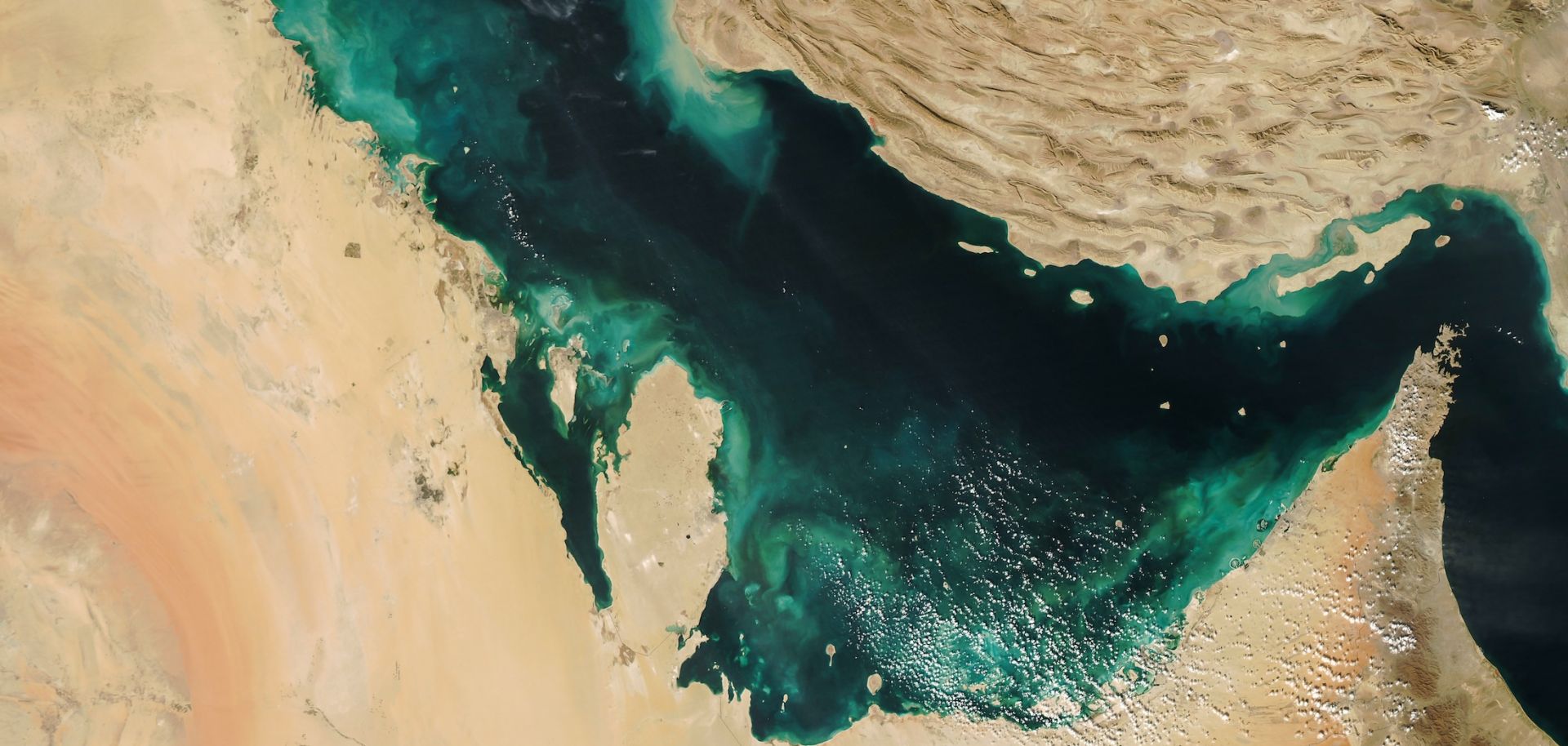
Maritime traffic will likely remain limited through the Strait of Hormuz despite the two-week U.S.-Iran ceasefire. The persistent risk that the agreement will collapse will likely keep shippers cautious, while any negotiated outcome is likely to leave Iran with partial control that expands its economic leverage despite Gulf resistance. On April 7, the United States and Iran accepted a two-week ceasefire just hours ahead of U.S. President Donald Trump's deadline for Iran to fully reopen the strait or face a significant escalation. The ceasefire enables Iran and Oman to charge transit fees on vessels. A spokesperson for Iran's Oil, Gas and Petrochemical Products Exporters' Union said that Iran intends to charge $1 per barrel of oil to be paid in cryptocurrency. Iranian officials have reportedly told mediators that Iran will limit the number of vessels transiting the strait to around a dozen per day and collect fees on them. However,...