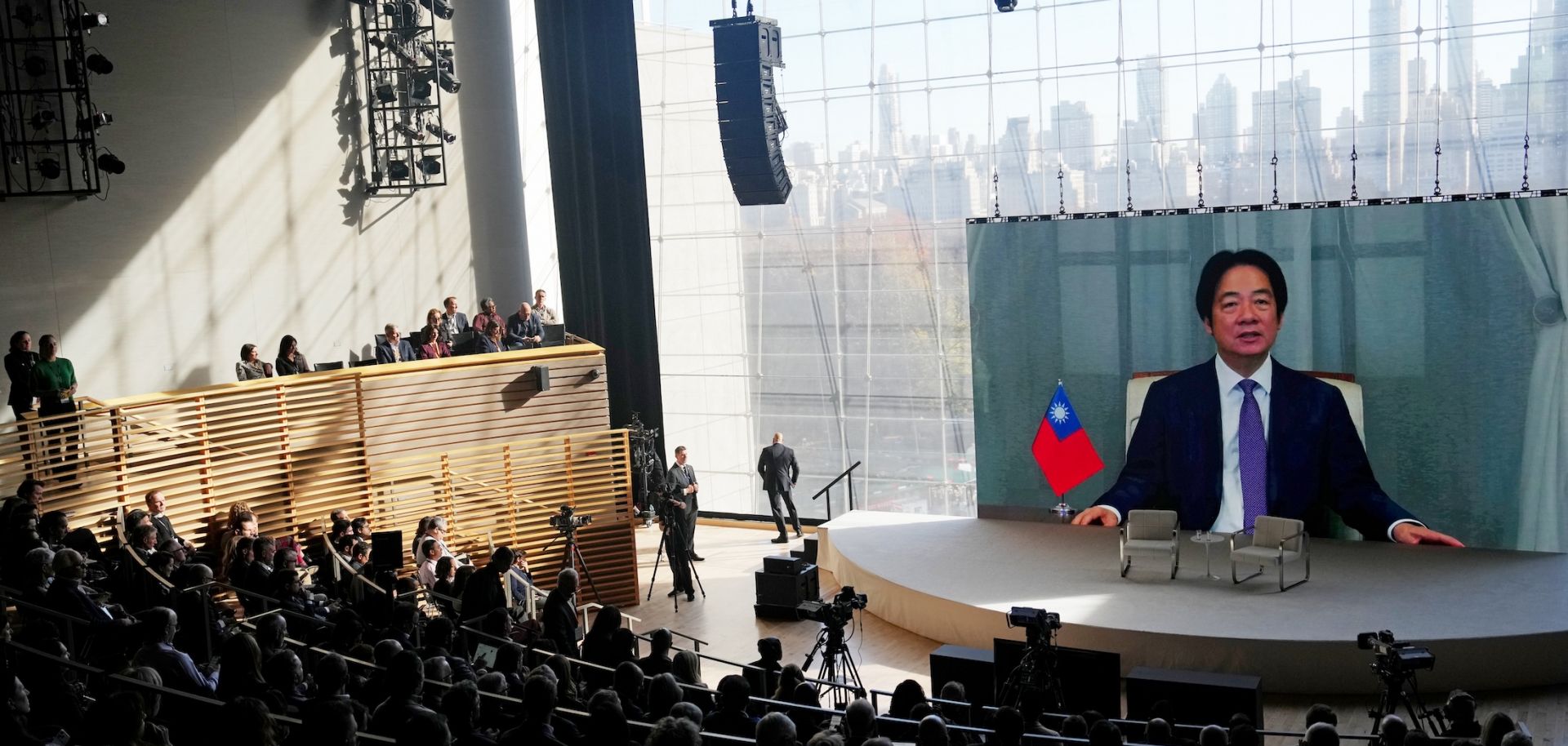
Political disputes between Taiwan's president and its legislature are unlikely to ease anytime soon, which could disrupt trade and arms deals with the United States and/or jeopardize future opportunities for diplomatic engagement with China. On Feb. 12, Taiwanese President William Lai announced that the United States and Taiwan had signed a trade deal to reduce U.S. tariffs on Taiwanese imports to 15%, in line with those of industrial competitors Japan and South Korea. In exchange, Taipei agreed to facilitate purchases of $84 billion in U.S. energy and aerospace products and industrial equipment. In response to the deal, Taiwan's main opposition Kuomintang (KMT) party expressed "grave concerns" and demanded clarification from Lai. Fellow opposition Taiwan People's Party (TPP) also stated its disapproval of what it called an "uneven" deal. The KMT and TPP together hold a majority in Taiwan's unicameral legislature, so their support is crucial for the deal's ratification. The...