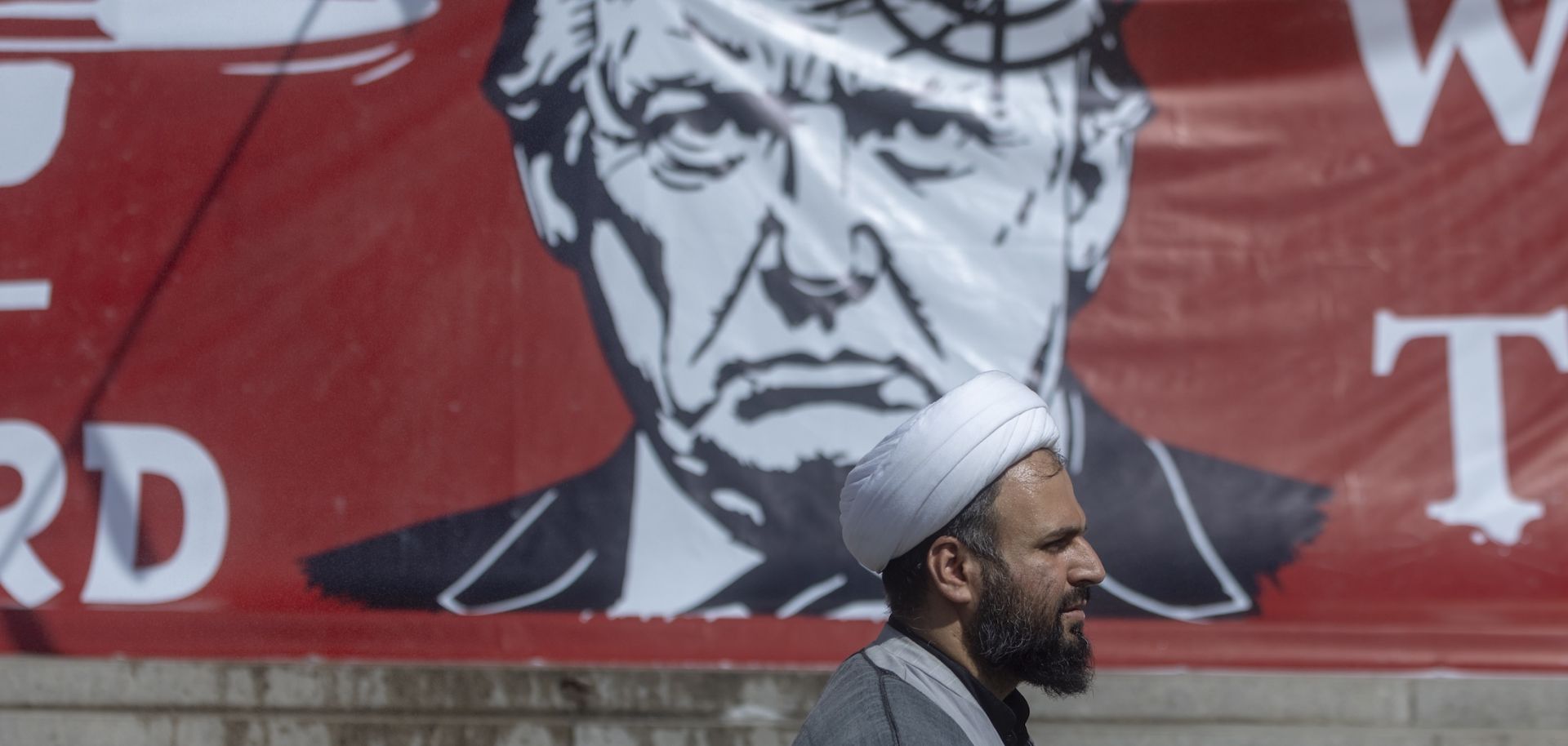
The flare-up between Iran and the United States is the latest confirmation that recurrent conflict will be a feature of contentious negotiations, but the latest tit-for-tat moves indicate a slowly rising risk of a return to high-intensity, regional conflict like that seen in March. On July 8, U.S. President Donald Trump declared the ceasefire with Iran effectively "over," saying negotiations could continue but were a "waste of time." His comments came after Iran and the United States traded tit-for-tat strikes over the prior 24 hours. Earlier in the day, Iran conducted attacks against U.S. military sites in Bahrain and Kuwait. Its attacks were in retaliation for the United States striking more than 80 targets, including Iranian air-defense systems, command-and-control networks, anti-ship missile sites and more than 60 small boats near the Strait of Hormuz. A senior U.S. official characterized the strikes as four to five times larger than previous rounds...